Dungeon trash encounters have evolved into structured challenges that demand deliberate crowd control and precise interrupt usage. These encounters now apply sustained pressure that rivals boss fights, punishing groups that treat trash as background filler.
At higher difficulty levels, most dungeon failures originate from trash pulls rather than bosses. Poor control, missed interrupts, or chaotic pulls quickly spiral into wipes, making trash execution a defining skill.
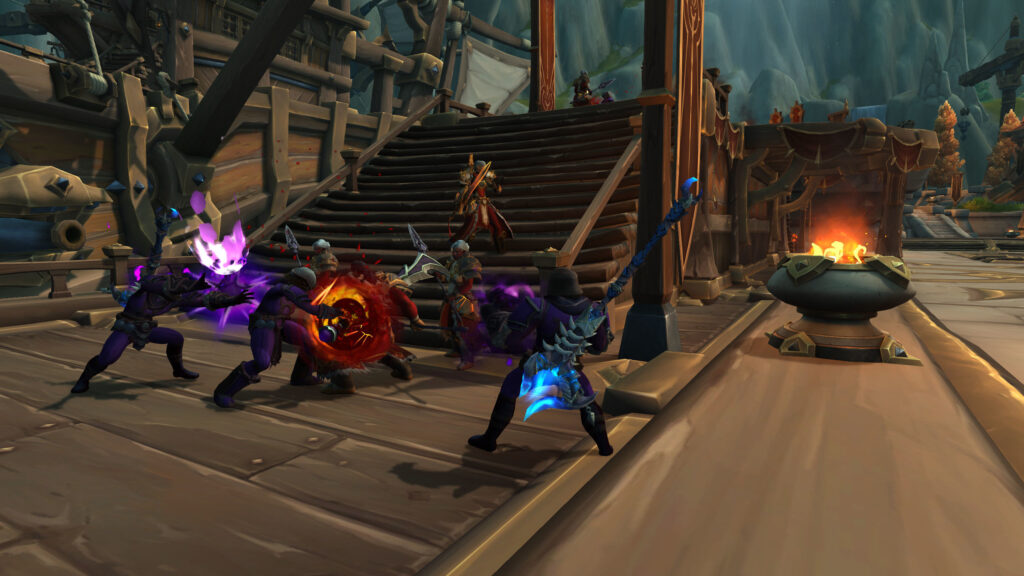
Enemy Abilities Create Constant Threat
Modern trash packs include dangerous casts, stacking buffs, and area denial effects that must be addressed immediately. Ignoring even a single ability can overwhelm healers or force defensive cooldowns prematurely.
This constant threat requires awareness from every group member. Responsibility is distributed, not centralized, and success depends on shared discipline rather than individual output.
Crowd Control Enables Damage Stability
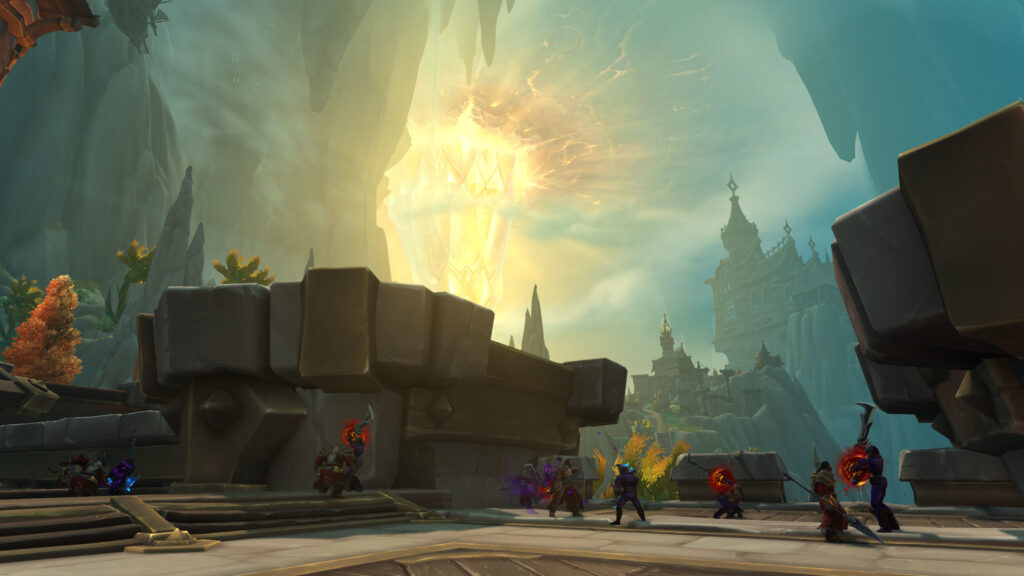
Stuns, roots, fears, and displacements are no longer emergency tools. They are integral parts of pull planning, used to reduce incoming damage and manage ability overlap.
Well-timed control creates breathing room. It smooths damage patterns, preserves healer resources, and allows tanks to position packs safely.
Interrupt Precision Separates Clean Runs From Chaos
Interrupts must be assigned and rotated intentionally. Random overlap wastes coverage, while missed interrupts often cause immediate collapse.
Groups that track interrupt order execute pulls calmly. Those without structure rely on panic reactions that fail under pressure.
| Trash Element | Disciplined Response | Failure Outcome |
|---|---|---|
| Dangerous casts | Assigned interrupts | Healer overload |
| Ability overlap | Staggered control | Damage spikes |
| Large pulls | Planned CC usage | Chain deaths |
| Missed coverage | Recovery tools ready | Run collapse |
Trash Mastery Determines Overall Dungeon Pace
Clean trash execution preserves momentum. Groups move confidently between pulls, maintain cooldown alignment, and protect the timer.
Messy trash pulls create downtime, force resets, and break rhythm. No amount of boss efficiency can compensate for repeated trash failures.
Conclusion
Dungeon trash encounters now demand crowd control and interrupt precision equal to boss mechanics.
Groups that respect trash design succeed consistently, while those that underestimate it struggle regardless of gear or experience.