In the chess game of warfare, you are the grandmaster, not just a pawn reacting to the chaos of the battlefield. Your ability to maintain control in the midst of conflict can mean the difference between victory and defeat.
By mastering the art of strategic positioning and understanding the ebb and flow of the battlefield dynamics, you place yourself in the eye of the storm, a calm overseer in a whirlwind of turmoil.
You’ve got to leverage intelligence gathering effectively, ensuring that you’re always two steps ahead of the adversary. And with commanding communication that cuts through the noise, your directives must be clear and decisive.
As you implement adaptive tactics that respond to the ever-changing landscape of war, remember that the true test of your leadership is not just in how you plan, but in how you act when the plan falls apart.
The question remains: how will you adapt and maintain control when the storm is at its fiercest, and the eyes of your subordinates look to you for guidance?
Understanding Battlefield Dynamics
To gain the upper hand in combat, it’s essential to grasp the ever-shifting complexities of battlefield dynamics. You’ve got to keep your eyes peeled for flag spawn locations—they’re pivotal for turning the tide. Knowing where and when flags appear sets you up for success, allowing you to anticipate enemy moves and strategize your approach.
As a flag carrier, you’re the linchpin in securing victory. Your movements must be cunning and deliberate; it’s not just about holding the flag, but maneuvering it through the chaos to your home base. You’ve got to dodge, weave, and sometimes even confront head-on.
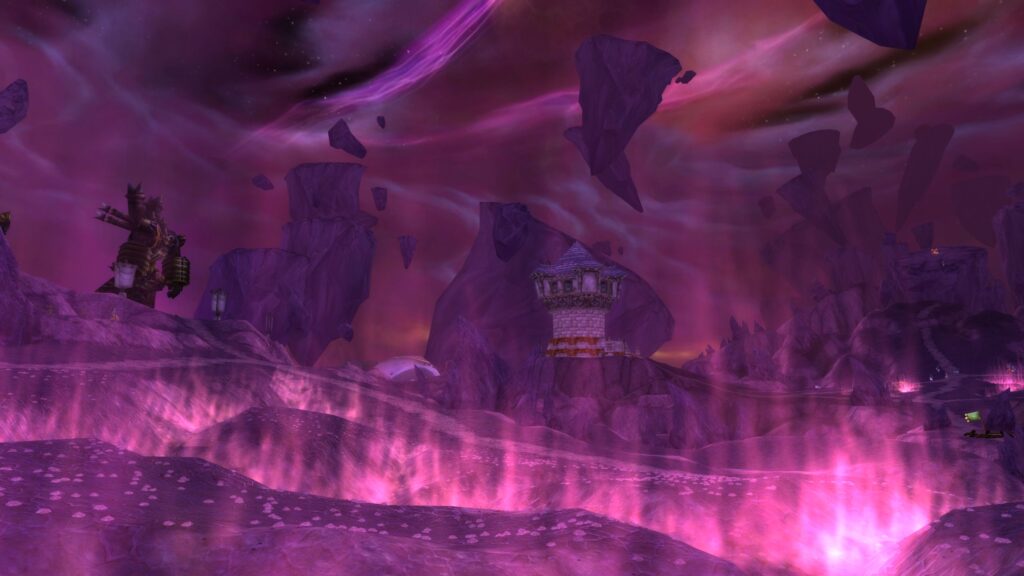
But don’t forget about the enemy flag carrier. Identifying their position is crucial. You can’t let them slip through your defenses. If you spot them, communicate with your team, intercept, and take them down before they score those crucial flag caps.
Flag capping, however, is where the real glory lies. It’s not merely about the capture; it’s about timing and teamwork. Synchronize your efforts with your squad, protect your carrier, and fend off attackers. Every flag cap brings you closer to dominating the battlefield. So stay sharp, be relentless, and claim that victory.
Mastering Strategic Positioning
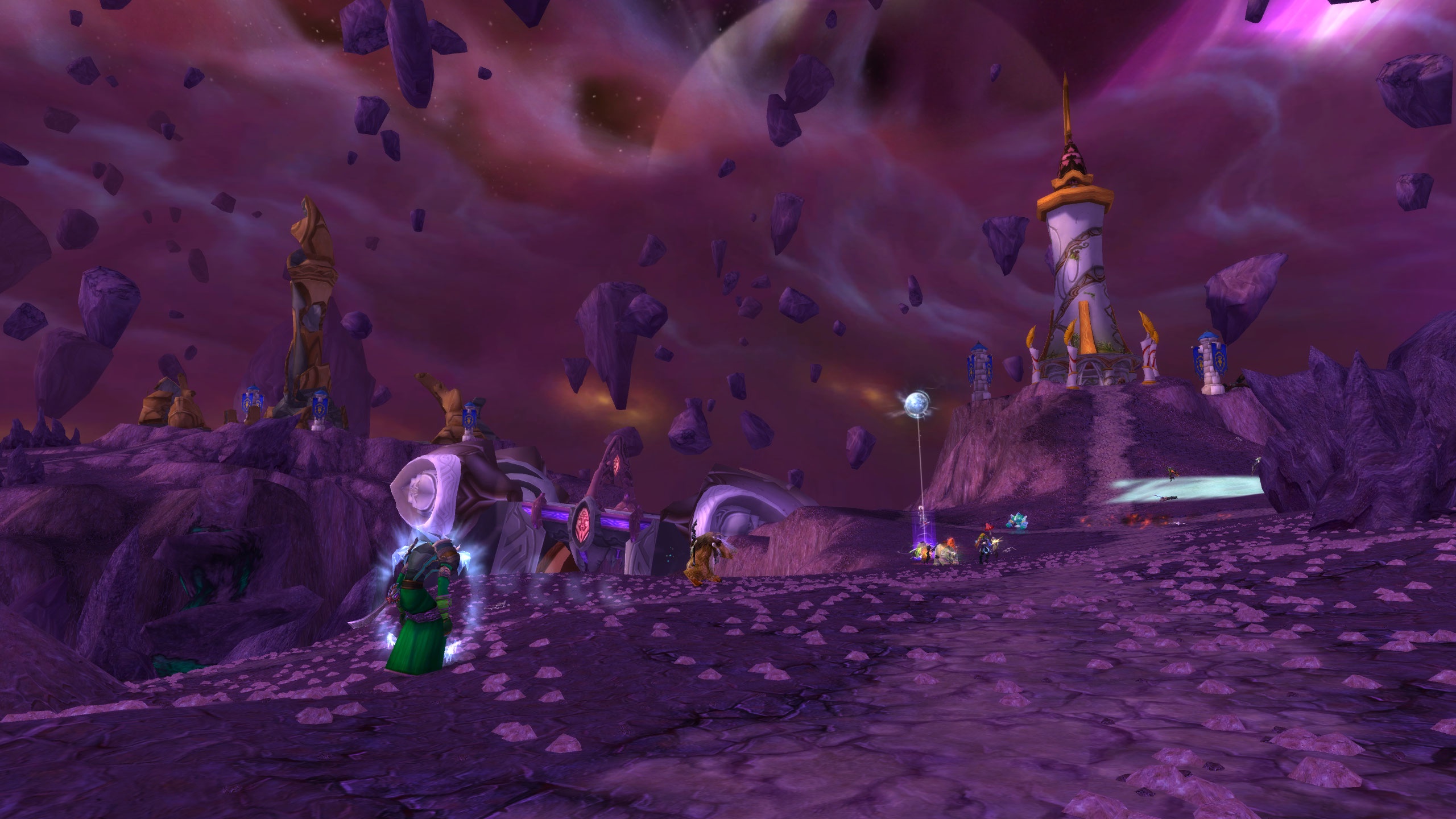
Understanding where and when flags appear is crucial, but securing them also demands strategic positioning on the battlefield. In Arathi Basin, for instance, anticipating enemy movements and capturing key locations like the mage tower can turn the tide. You’ve got to keep an eye out for the patterns of opponents’ flag runs, countering their advances with well-timed ambushes or diversions.
In Warsong Gulch, the game changes. It’s not just about where you stand, but how you move. You can’t just rush in; you need to think like a chess player, anticipating several moves ahead. Control the midfield, and you’ll control the flow of the game. Use terrain to your advantage; a well-placed shield generator can provide the cover your team needs to make a decisive push or to defend against an onslaught.
Leveraging Intelligence Gathering
Gathering intelligence on your opponent’s strategies and movements can significantly elevate your team’s tactical advantage on the battlefield. It’s not just about having the bigger guns; it’s about knowing where to aim them. By understanding your enemy’s patterns and weaknesses, you position yourself to strike with precision and efficiency.
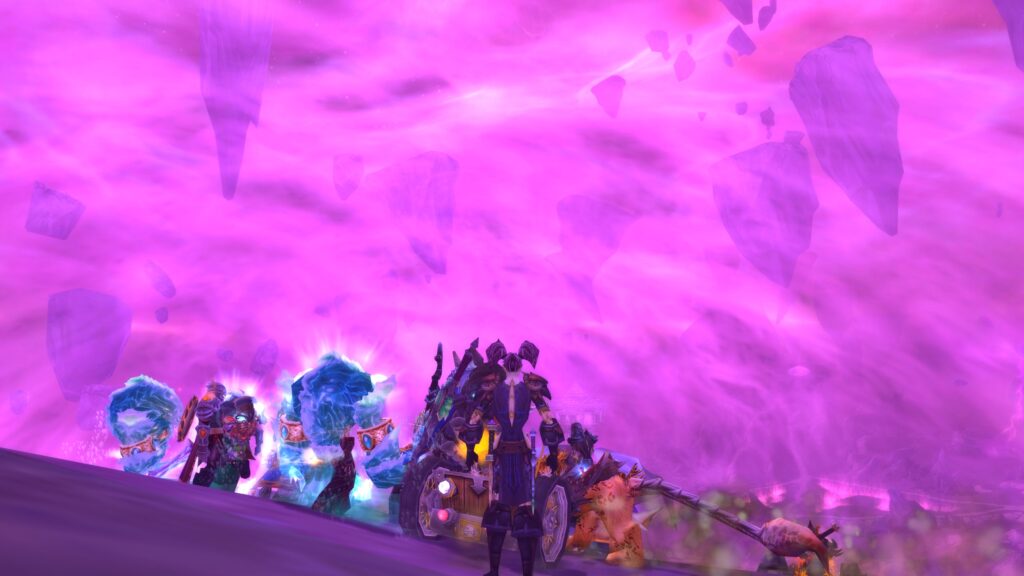
To do this, you’ll want to pay close attention to the jasper kryx—a term that refers to critical pieces of information that could turn the tide of battle in your favor. This might be the location of an enemy base, the timing of their patrols, or the specifics of their arsenal. Don’t overlook the small details; they often make the biggest difference.
Use every tool at your disposal to collect this intel. Drones, cyber hacking, and reconnaissance missions are your eyes and ears. Keep in mind that misinformation is a common tactic, so verify your sources and cross-check the data.
Commanding Effective Communication
While leveraging intelligence positions you for strategic advantage, it’s equally critical to master effective communication to ensure that vital information is accurately conveyed and acted upon promptly on the battlefield. Clear, concise communication is your lifeline; it coordinates your forces, secures your operations, and outmaneuvers your adversaries. You’ve got to establish robust channels that withstand the chaos of war, channels that are both secure and adaptable to rapidly changing conditions.
Remember, you’re not just transmitting orders; you’re also fostering teamwork and maintaining morale. So, use language that’s unambiguous and straightforward. Avoid jargon that might confuse your team. When you issue commands, be decisive. Hesitation or ambiguity can lead to catastrophic misunderstandings.
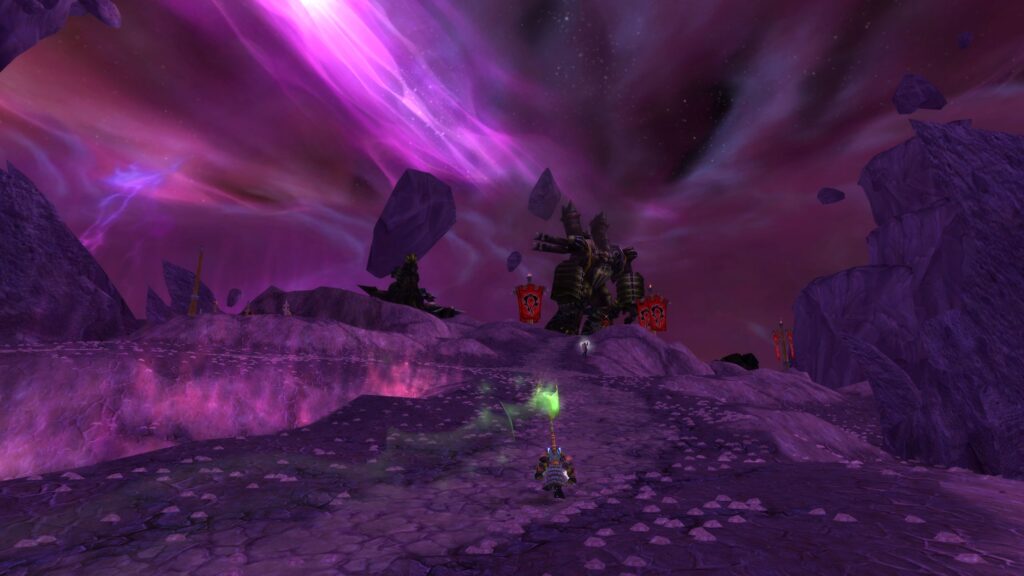
Invest in technology that enhances real-time communication. Satellite communications, encrypted messaging apps, and advanced radio systems should be in your arsenal. Train relentlessly with these tools, because proficiency in their use is non-negotiable. When the bullets start flying, it’s too late for a tutorial.
Be mindful of non-verbal cues as well. Your presence on the field can inspire and direct just as effectively as any spoken command. By mastering both the spoken and the unspoken, you’ll command the battlefield, not just participate in it.
Implementing Adaptive Tactics
Adaptability is the cornerstone of modern combat tactics, requiring you to swiftly adjust your strategies in response to ever-changing battlefield dynamics. As the eye of the storm shifts, so must your approach to maintaining control. To stay ahead, you’ll need to implement adaptive tactics that can pivot at a moment’s notice.
Start by analyzing real-time data. You’ve got drones, satellites, and field intelligence providing a constant stream of updates. Use this info to make informed decisions on the fly. If the enemy changes their formation, you’re ready to counter their moves with precision.
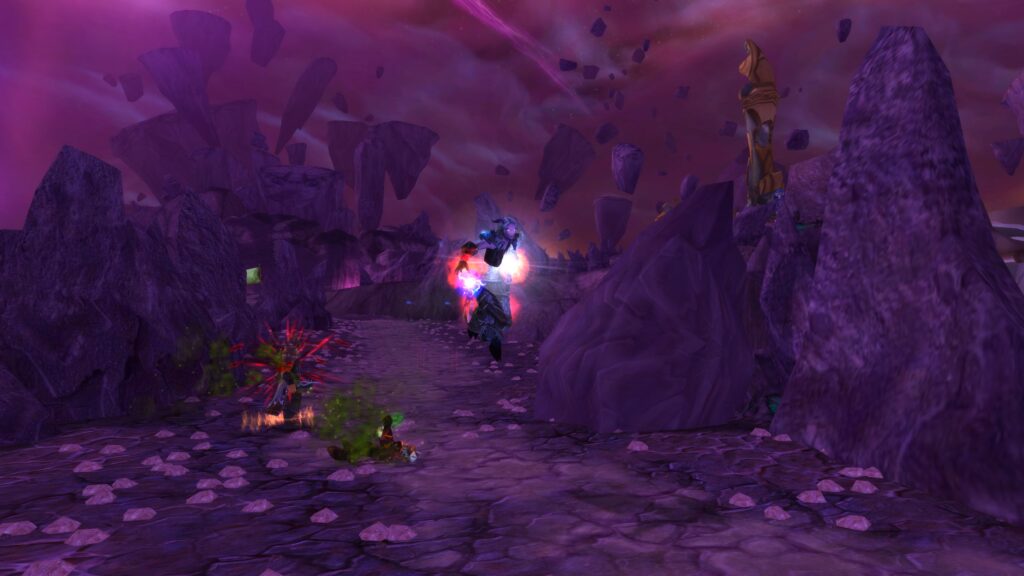
You’ve got to think on your feet and train your troops to do the same. Encourage initiative at all levels of command. A soldier on the ground can spot an opportunity or threat faster than a remote leader. Empower them to act decisively within the framework of your overarching strategy.
Lastly, don’t forget to leverage technology. Automated systems and AI can process vast amounts of data faster than any human, providing you with the insights needed to adapt your tactics rapidly. Harness these tools to stay one step ahead, ensuring that you’re not just reacting, but proactively controlling the battlefield.
Conclusion
You’ve become the master of the battlefield, with your finger on the pulse of every skirmish. You’ve maneuvered your forces like a grandmaster, predicting every twist and turn.
Your intelligence gathering shines a spotlight on enemy shadows, and your commands cut through the chaos like a knife. Your adaptive tactics are the final stroke of genius, painting victory across the canvas of war.
In the eye of the storm, you stand, unshakable—a legend in the making.
Uncover the mysteries of WoW alongside fellow adventurers. Join our blog for exclusive insights, lore deep dives, and lively discussions. Expand your journey and immerse yourself in Azeroth’s rich tapestry of stories.